Strategic Configuration of Rides in Shopping Mall Mini Amusement Parks
- Beston Amusement Rides
- Nov 4, 2025
- 5 min read
The integration of mini amusement parks within shopping malls has become a deliberate strategy to augment visitor engagement, increase dwell time, and enhance overall revenue. These compact entertainment zones function as experiential anchors, converting routine shopping trips into immersive leisure excursions. A meticulously developed rides configuration strategy is essential to achieve an optimal balance between space utilization, operational efficiency, and customer satisfaction.
Spatial Dynamics and Environmental Considerations
The first determinant in configuring rides within a confined retail environment is spatial optimization. Unlike traditional open-air parks, shopping mall amusement zones operate under strict spatial constraints, including ceiling height limitations, fire safety regulations, and shared pedestrian corridors. Spatial mapping must therefore account for both vertical and horizontal clearances. Compact but visually impactful installations such as mini carousels, rotating towers, or vertical drop simulators allow maximum entertainment density within limited footprints.
Lighting and acoustics play a crucial role in maintaining harmony between entertainment and retail environments. LED-based illumination synchronized with ride motion sequences provides visual excitement without producing excessive glare. Similarly, directional sound management ensures that the auditory footprint of a crazy fairground ride does not interfere with adjacent retail areas or food courts.

Ride Typology and Demographic Alignment
Ride selection should align with the demographic composition of mall visitors. Family-centric malls typically attract children, adolescents, and accompanying adults, necessitating a varied mix of attractions that span multiple age segments. For example, small-scale kiddie trains, spinning teacups, and interactive dark rides serve younger audiences, while compact roller coasters and immersive motion simulators cater to teenagers and young adults seeking moderate thrill levels.
In contrast, premium shopping destinations may integrate technologically advanced amusement park ride for sale that emphasize aesthetics, comfort, and experiential luxury. Virtual reality rides, augmented reality arenas, and robotic-arm attractions appeal to tech-oriented visitors, providing a futuristic dimension to leisure activity within retail architecture.

Operational Zoning and Flow Management
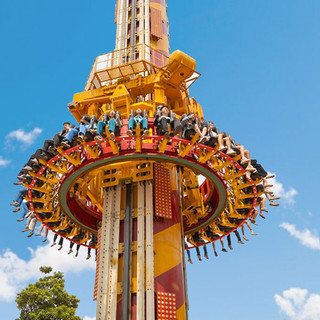
A coherent configuration depends heavily on zoning principles that segment activities according to intensity, noise level, and dwell duration. Quiet zones near entrances may include slower rides or interactive installations that serve as entry-level attractions. Central zones should accommodate medium-intensity rides, while high-thrill units such as drop towers or pendulum rides are ideally positioned at terminal points of the layout to minimize crowd congestion.
Flow management further depends on the logical sequencing of rides to promote natural circulation. The pathway design should facilitate progressive movement through varied attraction types without cross-traffic interference. Queue management systems employing digital ticketing or RFID access reduce bottlenecks and improve throughput efficiency. The integration of visual markers and overhead signage ensures directional clarity even during peak operational hours.
Safety and Maintenance Infrastructure
The configuration strategy must incorporate robust safety frameworks from the initial design stage. Ride spacing must adhere to regulatory standards for clearance envelopes and emergency egress routes. Safety zones surrounding dynamic attractions such as spinning rides or pendulum mechanisms prevent accidental intrusion into motion paths.
Maintenance access points are another critical element. Concealed service corridors or retractable flooring panels allow technicians to perform inspections without disrupting public zones. Predictive maintenance algorithms connected to sensor-based diagnostic systems can detect wear patterns in mechanical components, enabling timely intervention and minimizing downtime. Periodic certification from authorized bodies is mandatory to maintain operational compliance.
Aesthetic Integration and Thematic Cohesion
A shopping mall mini amusement park functions not merely as an aggregation of rides but as a cohesive thematic environment. A unified aesthetic narrative enhances brand perception and emotional engagement. Themes may range from futuristic cityscapes to underwater adventures or classic carnival motifs. The design must integrate architectural consistency between rides, flooring, and lighting to create an immersive environment that visually complements the surrounding retail ecosystem.
For instance, a futuristic theme could incorporate transparent ride enclosures, holographic projection effects, and kinetic sculptures synchronized with motion sensors. Conversely, a vintage fairground ambiance may employ ornamental lighting, wood-textured finishes, and nostalgic soundtracks reminiscent of early 20th-century carnivals.
Vendor Selection and Procurement Strategy
Selecting the right amusement park ride for sale requires a balance between cost efficiency, durability, and aesthetic compatibility. Vendors offering modular ride systems allow greater flexibility in future reconfiguration or scaling. Preference should be given to manufacturers adhering to international standards such as EN 13814 or ASTM F2291. These benchmarks ensure mechanical reliability, material integrity, and safe operational parameters.
Procurement contracts should also encompass lifecycle service agreements covering installation, training, spare parts availability, and warranty extensions. Establishing long-term partnerships with reputable manufacturers reduces replacement costs and facilitates consistent technical support. Additionally, considering local suppliers for maintenance materials and mechanical components minimizes logistics delays and supports sustainability goals.
Technological Integration and Data Utilization
Modern mini amusement parks increasingly rely on data-driven systems for operational optimization. IoT-enabled rides transmit performance data in real-time, allowing management to track energy consumption, motion cycles, and passenger loads. This information supports predictive analytics for energy budgeting and mechanical wear analysis. Integration with mall-wide data systems enables synchronization between retail foot traffic patterns and ride utilization metrics.
Augmented experience platforms leveraging mobile applications can further enhance visitor engagement. Features such as digital ride passports, loyalty point accumulation, and virtual queue reservations provide convenience while collecting valuable behavioral data. The result is a feedback loop that continuously refines the rides configuration strategy based on empirical visitor interaction patterns.
Economic Viability and Revenue Optimization
From a financial standpoint, ride configuration must maximize both direct and indirect revenue channels. Direct revenue originates from ticket sales, membership programs, and bundled entertainment packages. Indirect revenue is derived from increased mall footfall, extended customer dwell time, and higher retail conversion rates. Incorporating a diverse ride mix encourages repeat visitation, especially when combined with rotating temporary attractions or seasonal thematic overlays.
Ancillary services such as souvenir kiosks, photo booths, and snack stations located near high-traffic rides further enhance profitability. Dynamic pricing algorithms can adjust ticket rates based on demand intensity, time of day, or special events, ensuring steady revenue streams during both peak and off-peak periods.
Sustainability and Energy Efficiency
Energy efficiency is a growing priority in mall-based entertainment infrastructure. Using low-power drive systems, regenerative braking technology, and LED-based illumination significantly reduces energy consumption. Centralized HVAC optimization ensures thermal comfort without overloading mall climate systems. Water-based attractions can incorporate closed-loop filtration systems to minimize resource wastage.
Sustainability certification, such as LEED or BREEAM compliance, adds reputational value and appeals to environmentally conscious consumers. Incorporating these measures from the planning phase strengthens long-term operational resilience.
Conclusion
The configuration of rides within a shopping mall mini amusement park represents a synthesis of engineering precision, architectural harmony, and behavioral insight. Each decision—from the selection of crazy fairground ride to the spatial layout of pathways—contributes to a cohesive entertainment ecosystem that elevates the shopping experience beyond transactional commerce. A well-executed strategy not only amplifies visitor satisfaction but also establishes the mini amusement park as a sustainable and profitable component of the modern retail environment.


Comments