Designing Amusement Rides That Harmonize with Natural Landscapes
- Beston Amusement Rides
- Sep 19, 2025
- 4 min read
Integrating amusement ride design into natural landscapes requires precision, foresight, and an understanding of both engineering and aesthetics. The objective is to create an immersive experience where the mechanical marvel of a ride coexists with the surrounding environment, enhancing rather than disrupting its character. Achieving this balance calls for a meticulous approach that considers terrain, vegetation, topography, and ecological impact.
Merging Mechanics with Nature
Natural settings present unique opportunities for creative ride design. Instead of imposing artificial structures that dominate the view, designers can allow the environment to shape the attraction. Hills, rivers, cliffs, and forests become active components of the ride’s narrative. When engineered thoughtfully, a ride can seem as though it was meant to be there, woven into the contours of the land.
Extreme rides, known for their towering frames and aggressive motion, pose particular challenges. Their scale risks overwhelming natural surroundings, yet this can be mitigated through careful placement and material selection. For instance, using earth-tone supports and strategic sightline management reduces visual intrusion. A roller coaster diving through a canyon or a zipline tracing a tree canopy can leverage natural features to heighten the sensation of speed and exposure.

Engineering Considerations
Topography dictates much of the ride’s footprint. Sloping terrain can minimize structural demands by providing natural elevation changes, allowing for longer track layouts with fewer artificial supports. This reduces construction material and creates a more energy-efficient design. Soil stability and hydrology must be analyzed to prevent erosion and ensure long-term durability. Foundations in rocky areas require specialized anchoring techniques to secure heavy equipment without causing environmental damage.
Wind patterns and microclimates must also be taken into account. Outdoor rides in a funfair setting often use weatherproof coatings, but installations in natural landscapes benefit from deeper analysis. Excessive wind shear near ridgelines can disrupt ride operation. Sun exposure affects not just rider comfort but also mechanical wear. Designers often incorporate shading structures, vegetation buffers, and drainage systems that work with rather than against the terrain.

Environmental Stewardship
Preserving biodiversity is central to responsible ride placement. Clearing land for tracks or towers can fragment habitats and disrupt local wildlife. To counteract this, design teams use environmental impact assessments early in the planning process. These studies identify sensitive areas that should remain untouched, helping shape the route of pathways and support columns. Green building principles—such as minimal excavation, native plant restoration, and low-noise mechanical systems—help maintain ecological balance.
Water management is another critical factor. Rides situated near lakes or rivers must incorporate spill prevention systems and sediment control to avoid contamination. Permeable pathways reduce stormwater runoff, allowing natural absorption into the soil. Where water is an element of the attraction itself—such as a log flume or splash ride—filtration and recirculation systems minimize resource consumption.
Visitor Experience
Natural integration heightens the emotional impact of an attraction. A ride that emerges from a forest clearing or skirts along a cliff edge creates anticipation and surprise. The environment amplifies sensory input—birdsong, wind through branches, the scent of pine needles—adding a layer of authenticity that cannot be replicated by synthetic theming alone.
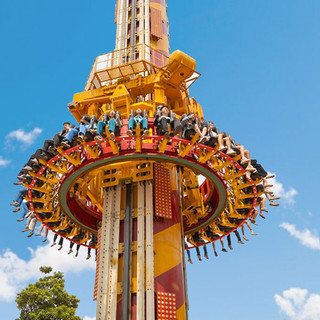
Extreme rides benefit from this approach because their dramatic motion contrasts with the tranquility of the surroundings. A free-fall tower positioned on a promontory delivers breathtaking panoramic views before the drop. A suspended coaster weaving between tree trunks gives the illusion of speed enhanced by proximity to natural obstacles. The result is a more memorable and engaging experience.
Materials and Aesthetics
Material choice plays a major role in harmonizing rides with their environment. Wooden structures blend into forested settings more naturally than exposed steel, though modern coatings can give steel a muted, matte finish to achieve a similar effect. Cabins, stations, and queue lines often use stone, timber, and glass to create a visual continuity with the landscape. Designers sometimes incorporate local craftsmanship to ground the attraction in regional identity.
Lighting is used sparingly to avoid light pollution. Instead of high-intensity floodlights, low-level illumination along paths and structures preserves nocturnal habitats while guiding visitors safely. During nighttime operation, directional LEDs create a controlled glow, accentuating key elements without overwhelming the darkness.
Safety and Maintenance
Safety considerations become more complex when working within natural terrain. Slopes, wet ground, and changing weather patterns require robust evacuation routes and regular inspection protocols. Maintenance teams must have access to equipment without causing repeated disturbance to sensitive areas. Elevated walkways, removable panels, and compact service vehicles are commonly deployed to minimize impact.
Seasonal shifts also affect operational schedules. Snow, ice, or heavy rain may necessitate temporary closures. Designers often anticipate these conditions with heated track segments, drainage channels, and corrosion-resistant materials to prolong lifespan and maintain reliability.
Future Trends
Advancements in ride technology are pushing the boundaries of what can be achieved in natural landscapes. Magnetic launch systems reduce noise and mechanical stress, making them more compatible with quiet environments. Virtual and augmented reality overlays allow for storytelling that does not rely on intrusive structures, letting the landscape itself become part of the narrative.
Sustainability is expected to drive further innovation. Solar panels integrated into station roofs, regenerative braking systems, and recycled construction materials are becoming standard. The goal is not just entertainment but also education—showing visitors how technology and ecology can coexist.


Comments