Future Growth Outlook for the Amusement Ride Industry
- Beston Amusement Rides
- Oct 16, 2025
- 5 min read
The amusement ride industry stands on the cusp of significant transformation. As global economies rebound from recent disruptions, myriad factors — demographic shifts, escalating leisure consumption, and evolving technological capacities — coalesce to imbue this sector with renewed vigor. Anticipating these currents is essential for stakeholders ranging from infrastructure developers and equipment manufacturers to municipal planners and entertainment operators.
This article examines the market prospects of the amusement ride industry, with particular attention to mechanized attractions such as big fun fair ride and the burgeoning segment of indoor amusement park ride. It distills industry trajectories, market catalysts, and strategic imperatives for sustained growth.
Macro Trends Driving Demand
Demographic Expansion and Urbanization
Global population growth remains a principal locomotive for demand. Urban migration continues apace in regions such as Southeast Asia, Latin America, and parts of Africa, intensifying the demand for entertainment infrastructure. Municipal authorities increasingly allocate public spaces to leisure-centric developments. As cities densify, accessible, high-thrill attractions become a differentiator for urban vibrancy.
Rising Disposable Income and Leisure Spending
In economies experiencing robust GDP expansion, discretionary spending on entertainment escalates. The appetite for experiential consumption has supplanted traditional retail purchases. Consumers prioritize immersive experiences that deliver emotional resonance. Accordingly, investment in amusement rides is not merely capital expenditure; it becomes a strategic lever to capture market share in an experience economy.
Technology Convergence and Creative Engineering
The integration of advanced sensor systems, AI-driven safety monitoring, and augmented reality is redefining the mechanized amusement landscape. These technologies enhance the user experience while optimizing maintenance workflows and safety protocols. The rise of modular ride platforms enables operators to adapt offerings swiftly to shifting consumer preferences or regulatory adjustments.
Segment Analysis: Traditional vs. Indoor Amusement
Big Fun Fair Ride Segment
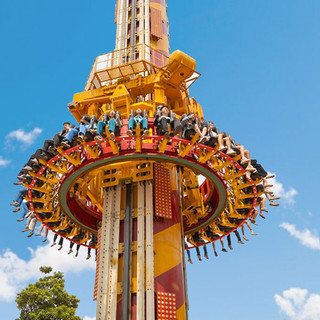
Traditional big fun fair rides — encompassing ferris wheels, roller coasters, and thrill towers — remain core revenue generators. Their presence conveys prestige and visibility. These rides demand significant capital but can yield long-tail returns through brand elevation, extended footfall, and ancillary revenue streams such as VIP hospitality decks or integrated F&B zones.
However, competition for land use, regulatory complexities, and capital-intensive maintenance pose structural constraints. Investors must strategize for cyclical demand and geographic saturation. Augmenting traditional rides with interactive features or variable ride programming can help sustain novelty and encourage repeat visitation.

Indoor Amusement Park Ride Segment
Indoor amusement park ride investments are surging in response to climatic constraints, encapsulated ephemerality, and demand for year-round operations. Indoor facilities offer operators controlled environments and reduced seasonality, enabling stable revenue. Moreover, they facilitate the deployment of smaller, modular attractions in urban contexts where outdoor footprint is constrained by land costs.

Operators are introducing indoor coasters, dark rides, and simulators that merge physical motion with virtual storytelling. These assemblages can appeal to cross-generational audiences. The indoor model also enables venues to host auxiliary revenue generators such as gaming zones, virtual reality rooms, and themed retail spaces — expanding monetization beyond ride tickets.
Regional Outlook
Asia-Pacific: Emergent Growth Hub
The Asia-Pacific region is projected to deliver the lion’s share of amusement ride market expansion. Rising middle-class populations, rapid urbanization, and government-led leisure infrastructure projects in nations such as China, India, and Indonesia underpin this growth. Moreover, the region’s propensity for adopting cutting-edge entertainment technologies positions it as a vanguard for experimental ride concepts.
North America: Mature but Adaptive Market
The United States and Canada embody mature leisure ecosystems where saturation pushes operators toward differentiation. Here, innovation is concentrated in thematic integration, IP licensing, and premium guest experiences rather than pure ride expansion. Indoor amusement park ride venues are gaining traction in select urban enclaves and smaller-scale developments.
Europe: Regulatory Rigors and Niche Innovation
Europe’s amusement ride market is characterized by rigorous safety standards and compliance barriers. These factors limit swift expansion but incentivize innovation in ride design efficiency and resilience. Operators often lean toward compact indoor amusement parks or renovate existing attractions to optimize spatial efficiency and operational sustainability.
Market Drivers and Constraints
Catalysts
Experience Economy Momentum: Consumers increasingly emphasize experiential spending, favoring attractions that offer emotional engagement over passive leisure.
Energy Efficiency Concerns: Modern ride systems incorporate regenerative braking, energy recapture, and advanced materials, reducing operational costs and environmental impact.
Customization as a Differentiator: Modular platforms empower operators to tailor ride experiences and refresh attractions regularly without full-scale rebuilds.
Public–Private Partnerships: Governments often partner with private developers to integrate theme parks into broader tourism or urban revitalization initiatives — reducing upfront capital burdens.
Constraints
High Capital Expenditure: Building and maintaining sophisticated rides require substantial investment, often beyond the reach of small operators.
Regulatory Complexity: Safety codes, height and noise regulations, and indemnification demands vary widely across jurisdictions.
Cyclicality: Demand is sensitive to macroeconomic fluctuations. Recessions or travel disruptions can sharply depress attendance.
Land Scarcity: Finding suitable parcels in desired urban locales is increasingly difficult, especially for sizeable big fun fair ride projects.
Strategic Imperatives for Industry Participants
Investment in Digital Integration
Operators should embed IoT sensors, predictive maintenance analytics, and guest behavior tracking into ride infrastructure. Data-driven decision-making enhances reliability and customizes guest experiences.
Emphasis on Sustainability
Sustainable operations are no longer optional. Renewable energy integration, material recyclability, and carbon reduction strategies improve regulatory positioning and resonate with eco-conscious consumers.
Adaptive Use of Indoor Spaces
Even existing outdoor parks can augment their portfolio with indoor attractions — offering off-season extensions and climate-independent operations. For new developments, prioritizing indoor amusement park ride clusters can yield stable revenue streams and minimize weather-induced attrition.
Strategic Partnerships and Franchising
Licensing globally recognized intellectual properties can elevate the appeal of new rides. Franchising models allow for rapid expansion while mitigating risk and capital strain.
Forecast and Revenue Prospects
Market estimates for the amusement ride industry suggest compound annual growth rates (CAGR) in the range of 5% to 7% globally over the next decade. Regions with untapped tourism potential and rising consumer spending — particularly in Asia-Pacific — could surge beyond that range.
Big fun fair ride installations will continue to anchor parks, while indoor amusement park ride deployments will proliferate in urban and climate-challenged locales. Together, these segments form a complementary growth trajectory: outdoor headline attractions maintain brand visibility; indoor attractions deliver consistent revenue across seasons and cityscapes.
Conclusion
The amusement ride industry is undergoing a paradigm shift. The interplay of demographic growth, technological innovation, and evolving consumer expectations is redefining value creation. For stakeholders prepared to navigate regulatory complexities, invest in sustainable design, and strategize around both iconic big fun fair ride attractions and scalable indoor amusement park ride venues, the prospects are promising and resilient.
Strategic foresight, combined with diligent execution, will determine who thrives in this next chapter of leisure-driven economic expansion.


Comments