Strategic Framework for Off-Season Amusement Park Ride Utilization Enhancement
- Beston Amusement Rides
- Oct 28, 2025
- 5 min read
Efficient operation of amusement park attractions throughout the year requires a meticulous understanding of seasonal demand cycles, asset depreciation, and visitor engagement patterns. During the off-season, when attendance metrics drop significantly, maintaining operational continuity and financial stability becomes a technical and managerial challenge. Implementing an off-season amusement park ride utilization improvement plan can optimize asset productivity, extend equipment lifespan, and enhance brand presence in low-traffic periods.
Asset Repositioning and Operational Calibration
During low-attendance months, selective operational deployment is paramount. Not all rides need to remain active; instead, a rotational model should be applied. High-maintenance rides, such as a roller coaster or a tower swing, can be scheduled for partial shutdowns, enabling comprehensive mechanical assessments and refurbishments.
At the same time, operational calibration—adjusting ride intensity, speed parameters, and lighting configurations—can introduce novelty without significant capital input. This approach can entice returning visitors by offering “alternative ride modes” or themed mechanical sequences exclusive to the off-season.
Additionally, parks can negotiate favorable equipment acquisition deals during the off-season. Vendors and manufacturers often provide reduced pricing when demand is minimal. For example, parks planning to buy roller coaster components or modular sections for expansion can leverage this temporal window to secure cost efficiency and favorable delivery terms.

Predictive Maintenance and Digital Diagnostics
Off-season periods offer a strategic opportunity to execute predictive maintenance programs. Modern amusement rides integrate advanced sensor systems that collect vibration, torque, and structural load data. Utilizing these metrics through machine learning analytics facilitates pre-emptive identification of wear points.
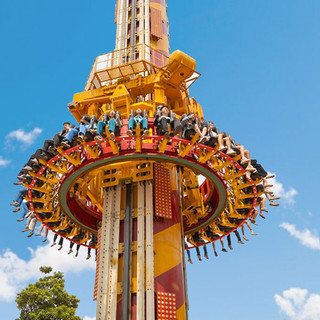
For mechanical rides such as a tower swing, where rotational stress and bearing friction are high, thermal imaging and ultrasonic inspection should be standard procedures. Predictive diagnostics not only reduce downtime during peak months but also extend asset longevity by minimizing emergency repairs.

Integration of digital maintenance logs into a centralized management system ensures traceability and regulatory compliance. Data transparency across departments supports more accurate budgeting and long-term asset valuation.
Diversification Through Alternative Uses
Amusement parks can enhance off-season utilization by repurposing existing ride areas for non-traditional activities. For instance, roller coaster platforms can serve as elevated viewing decks for winter festivals or light projection shows. Likewise, the base area of a tower swing can be transformed into a thematic dining enclosure or an augmented reality exhibition zone.
This adaptive use of infrastructure increases the revenue-per-square-meter ratio during months of low ride operation. By maintaining a partial activation model, parks also prevent full system stagnation, which can lead to mechanical deterioration.
Hybrid utilization frameworks may include:
Corporate event hosting: rides act as scenic backdrops for conferences and brand activations.
Training programs: technical institutes and engineering faculties may collaborate with parks for mechanical systems training.
Media production: film and advertisement studios often seek controlled environments for dynamic set pieces, especially roller coaster or tower swing scenes.
Energy Efficiency and Environmental Optimization
Off-season operation should align with sustainability objectives. Energy consumption typically remains high even with reduced visitor numbers, particularly in heating, lighting, and hydraulics. Implementing variable frequency drives (VFDs) in motor systems can modulate power draw according to real-time operational demand.
Solar panel integration, combined with energy storage modules, can offset base load requirements for essential systems such as security, surveillance, and maintenance lighting. Furthermore, partial ride activation scheduling—where certain rides operate on alternating days—optimizes grid utilization without compromising visitor experience.
For high-power rides like a roller coaster, regenerative braking systems can capture kinetic energy during deceleration, converting it into usable electrical power. Such measures not only reduce operational costs but also enhance public perception of environmental responsibility.
Marketing Strategy and Visitor Engagement
An effective utilization improvement plan must incorporate targeted marketing efforts. Off-season campaigns should emphasize exclusivity and limited-time experiences. Instead of attempting to replicate peak-season dynamics, parks can highlight differentiated experiences such as themed weekends, illumination events, or educational exhibitions.
For example, a winter “Engineering Behind the Thrills” program could allow visitors to observe maintenance procedures of rides, demonstrating the mechanical sophistication of attractions like a tower swing or roller coaster. This transparent engagement builds credibility and fosters visitor curiosity.
Digital engagement through virtual tours and social media storytelling can sustain interest even when physical visitation is low. Partnerships with influencers and travel bloggers during the off-season can generate consistent online traction, converting to future ticket sales when the park reopens in full capacity.
Infrastructure Modernization and Safety Upgrades
Low-traffic periods are ideal for infrastructure upgrades without disrupting guest operations. Structural inspections, corrosion control, and system retrofitting can be executed efficiently. Parks considering to buy roller coaster hardware—track extensions, restraint systems, or magnetic launch modules—should align procurement schedules with off-season timelines to ensure installation readiness before reopening.
For tower swing mechanisms, hydraulic system replacements, cable inspections, and counterweight recalibrations should be prioritized. Safety upgrades not only meet evolving regulatory requirements but also enhance long-term operational reliability.
Modernization initiatives may include:
Automation of control systems for precise operational management.
Integration of IoT sensors for real-time fault detection.
Noise and vibration mitigation for improved visitor comfort.
Emergency power redundancy systems to ensure operational safety during unexpected grid failures.
Staff Development and Cross-Training
The off-season presents a valuable window for personnel optimization. Ride operators, maintenance technicians, and safety inspectors can undergo specialized training programs that reinforce technical proficiency. Cross-training initiatives can prepare staff to manage multiple attraction types, increasing operational flexibility during high-demand months.
Workshops in mechanical diagnostics, safety protocol compliance, and guest interaction techniques ensure a well-rounded workforce. Parks can also partner with ride manufacturers for certification courses, particularly for complex systems like roller coasters, where operational precision is critical.
Engaging staff in maintenance and reconfiguration projects fosters a sense of ownership and institutional knowledge retention, reducing dependence on external contractors.
Financial Planning and Performance Analytics
An off-season utilization improvement plan must be underpinned by rigorous financial modeling. Parks should employ activity-based costing (ABC) methods to allocate maintenance and energy expenses accurately. Performance analytics can then identify underperforming assets, allowing management to decide whether to upgrade, repurpose, or decommission specific rides.
Scenario modeling—using historical attendance data and climate variables—enables forecasting of optimal off-season operating hours. A balance must be maintained between maintaining visitor accessibility and minimizing non-revenue operational expenditure.
Procurement strategies, such as deciding when to buy roller coaster parts or tower swing accessories, should align with depreciation schedules and cash flow cycles to maintain liquidity stability.
Technological Integration and Visitor Analytics
Smart systems can transform the off-season operational landscape. Deploying Internet-of-Things (IoT) solutions across rides allows continuous data acquisition even when attractions are idle. These datasets inform predictive maintenance algorithms and support evidence-based decision-making.
Visitor analytics platforms can track off-season behavioral patterns, such as dwell time near inactive attractions or engagement with secondary entertainment zones. Insights derived from these systems help refine layout planning and queue management when full operations resume.
Integration with mobile applications can also provide visitors with ride status updates, digital reward systems, and off-season discounts, ensuring continuous engagement even during partial closures.
Conclusion
Optimizing amusement park operations during the off-season requires an integrated framework that combines mechanical efficiency, strategic marketing, and financial foresight. Through predictive maintenance, adaptive infrastructure utilization, and targeted engagement strategies, parks can transform traditionally dormant periods into productive and profitable intervals.
By synchronizing procurement cycles—such as the decision to buy roller coaster components—with technical upgrades and training programs, management can ensure seamless transition into peak-season readiness. Similarly, maintaining selective operation of a tower swing or other signature rides sustains visitor interest while facilitating mechanical longevity.
Sustained commitment to innovation and operational intelligence ultimately ensures that amusement parks remain vibrant, efficient, and resilient year-round, regardless of seasonal fluctuations.


Comments